A photograph of trees beyond a window can make a room feel like the natural choice for a Nordic break. It shows an atmosphere, though, rather than the full experience of staying there. Forest-view rooms deserve questions about the space inside the frame as well as the scenery beyond it. The useful comparison begins with how you expect to spend an ordinary morning and evening.
Read what the window actually shows
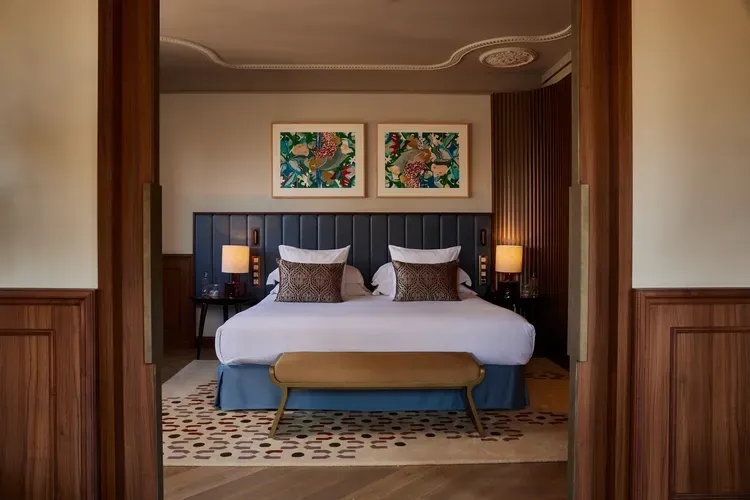
Notice the camera position, the height of the window and the furniture nearest it. A broad view photographed while standing may be less visible from a chair or bed. Trees close to the building can give welcome privacy while changing the amount of daylight. Ask whether the image represents the exact room category you are considering and whether the outlook varies within that category.
For a stay in October 2026, a summer photograph is still useful as a description of layout, but it cannot promise the same light or foliage. Separate features that are confirmed from effects created by a particular hour. A balcony door, an opening window and a fixed pane are different details; do not infer one from a bright photograph that does not clearly show it.
Three questions about the view
- Ask which outlook belongs to the room category being booked.
- Check whether the main seating position faces that outlook.
- Confirm curtains, lighting and any relevant window controls.
Privacy deserves the same attention as scenery. A window facing a quiet-looking patch of forest may also face a walkway outside the photograph. Ask about nearby public areas and how the room is screened after dark. These are practical preferences rather than demands for an entirely silent building, and describing them clearly makes an answer much more useful than asking for the best room.
Imagine coming back with a coat and a bag
Walk through the room mentally from the entrance. Where would you put damp footwear, open a case or sit while your companion gets ready? A generous floor area can still feel awkward when furniture narrows the route to the bathroom. The return described in our ridge walking article gives these small room details a purpose beyond the booking photograph.
| Photograph detail | Question beyond the image |
|---|---|
| Chair beside the window | Is there comfortable reading light after sunset? |
| Spacious entrance | Where can luggage and outdoor clothing go? |
| Soft curtains | What light control is available for sleeping? |
- Describe any access needs in concrete terms before booking.
- Ask about nearby lifts, connecting doors and public rooms.
- Check which pictured features belong to the selected category.
Turn preferences into a clear enquiry
A short message is easier to answer when it separates essentials from wishes. State the dates, room category and the feature that matters most. If rest after an early arrival is important, ask about the actual arrangements rather than assuming the room will be ready. Keep the answer with the booking details so that a later conversation refers to the same request and category.
Room comfort also supports different evening choices. One companion may return after dinner while another stays for a performance or an optional casino visit. Lighting that can be used without disturbing the bed becomes relevant in that situation. Dinner First considers those separate plans without treating togetherness as a requirement to keep identical hours.
Author’s opinion
I like a forest outlook most when the room works comfortably after the view has disappeared into darkness. A useful chair, a clear route and sensible lighting would influence my choice more than decorative cushions. Forest-view rooms can offer a lovely setting, but I would book from confirmed everyday details and let the scenery become a pleasure rather than the room’s only promise.